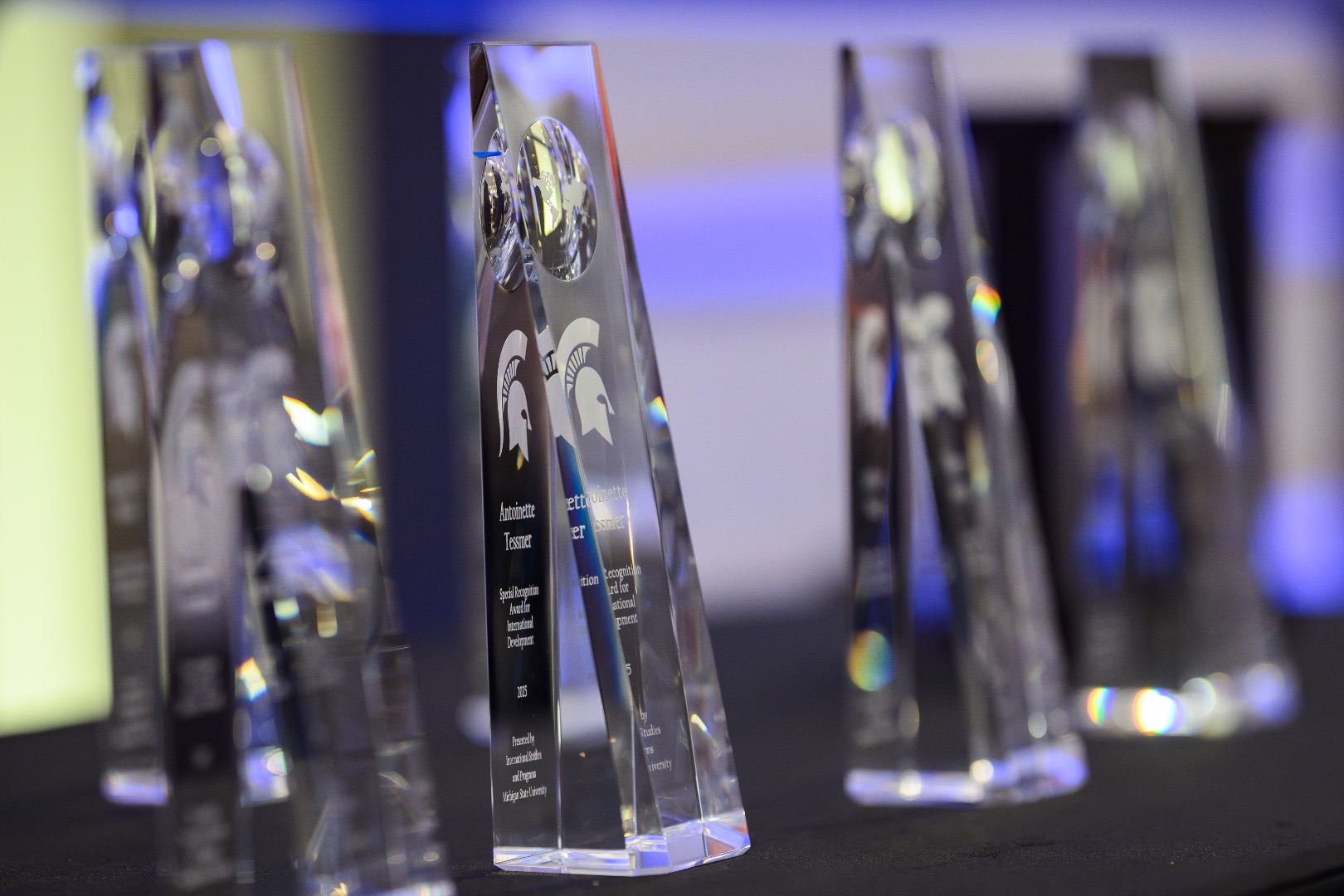
Leonora Souza Paula is the recipient of the 2026 John K. Hudzik Emerging Leader in Advancing International Studies and Programs Award, which honors an early-career faculty member who is making a significant impact on the advancement of international scholarship, teaching and or public service and outreach at Michigan State University.
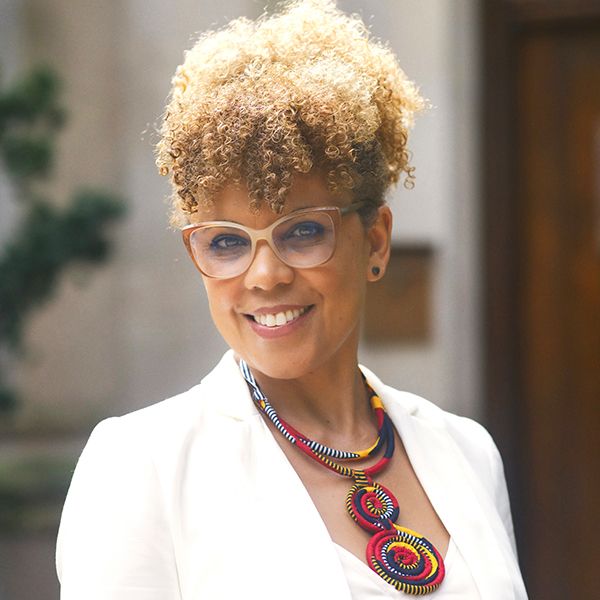
Paula is an assistant professor in the Department of English in the College of Arts and Letters. She also is a core faculty member for the Center of Latin American and Caribbean Studies (CLACS), and Global Studies in the Arts and Humanities, and an affiliate faculty member in the Center for Gender in Global Context (GenCen), and Digital Humanities.
Paula is an accomplished scholar of literary and cultural studies and a committed practitioner in the humanities who is widely published on the cultural production of Black Brazilian writers and artists who critique race, class and gender inequities. Her scholarship was nationally recognized in 2022 when she was awarded a prestigious American Council of Learned Societies fellowship and has recently been invited to contribute a chapter to the “Oxford Handbook of Global Black Literatures” on Afro-Brazilian feminism and global Blackness.
“The Black feminism theory that informs Leonora’s scholarship also informs her teaching, mentoring and advocacy and engagement across the multiple contexts in which she works,” wrote Laurie Medina, director of CLACS. “As a public scholar she lives her theory.”
Paula’s contributions to the English department are widely appreciated by her colleagues and especially her students. According to her department chair, students appreciate the diverse perspectives and voices they are introduced to in the curation of assigned readings. They often report her class is the first to introduce Latin American authors and to provide opportunities to explore Latin American contexts.
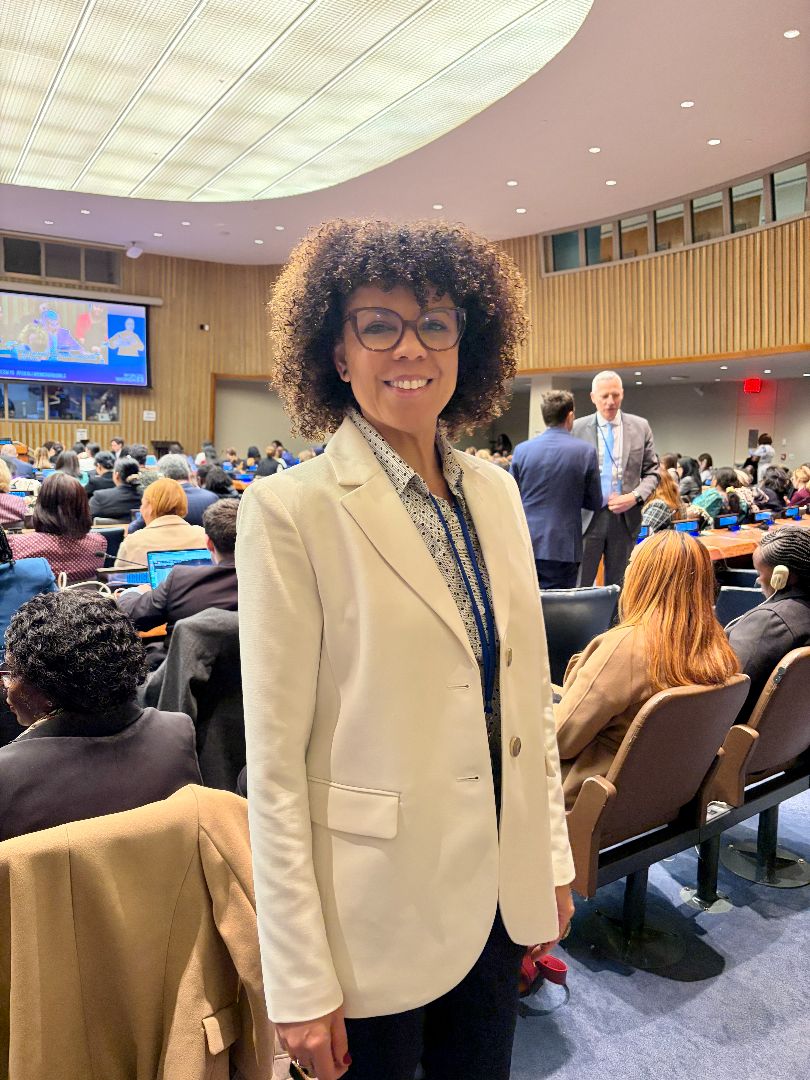
“I broaden the curriculum by introducing students to authors and frameworks that encourage them to rethink questions of justice, memory and representation,” said Paula.
Through assigned readings and class discussions, Paula offers students opportunities to examine how power structures that beget violence and lack accountability and repair, enable gender-based violence.
In addition to her teaching, Paula regularly collaborates with CLACS and other units across campus to develop events that enable MSU students and faculty to think more comparatively about racial and gender experiences across the African diaspora. Her willingness to share her extensive networks of scholars, authors and social movement leaders in Brazil has created opportunities for the university to host events that highlight parallels and differences between the U.S. and Brazil.
“The collaboration between CLACS and the Global Youth Advancement Network, GYAN, emerged through our joint work as co-PIs on the ‘Repositioning Africa’s Diaspora’ (RAD) proposal, which became a finalist among thousands of applications to the Kellogg Foundation’s global grant program,” said Paula.
The mission of the RAD project was to build exchanges between partners in Detroit and Salvador, Brazil, to create opportunities for Black youth (ages 18-24).
“Through the awarded Strategic Partnership Grant, my continued collaboration with CLACS focuses on amplifying the legacy of Luiza Bairros, the Brazilian scholar and former Minister for Racial Equity who earned her Ph.D. through MSU’s African Diaspora Research Project. This collaboration brings together MSU Libraries, the Universidade Federal da Bahia, and community archives in Brazil to create a digital humanities platform dedicated to Bairros’s work,” Paula said.
Paula’s commitment to student learning extends beyond curriculum and instruction. As a new faculty member, she and a colleague co-founded the Sister Circle Mentoring Program to enhance the educational and professional experiences of undergraduate women of color.
The success of the program’s activities led Paula and her colleague to apply for a grant from the Alliance for African Partnership to fund collaborative opportunities between Sister Circle and the Young Women’s Leadership Program at the University of Botswana.
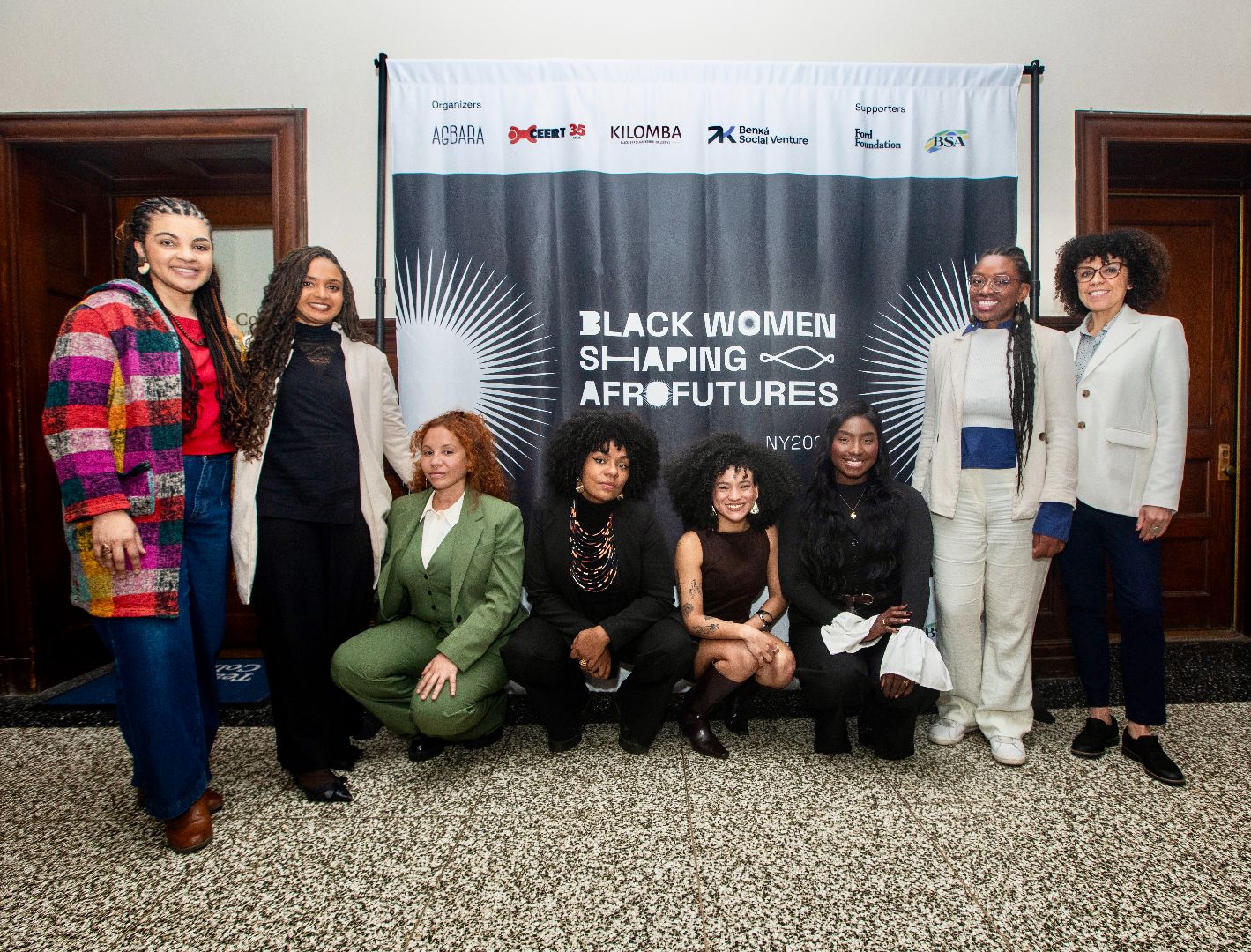
Additionally, Paula served as a co-director of the Kilomba Collective, the first organization of Black Brazilian women in the U.S. As a co-leader, Paula advocated for the rights of Black Brazilian immigrant women and girls in the U.S., seeking support from the Brazilian state. She co-founded the Black Women Shaping Afro-Futures, or BWSA, initiative, a transnational collaboration designed by Black women of the Global South for Black Women’s leadership and innovation.
Through the BWSA initiative, Paula has led the creation of the AfroFutures Now Digital Archive, a project that celebrates community stewardship and the long-term preservation of Black women’s knowledge.
“This work builds on my earlier leadership in the Kilomba Collective. What inspired me to shape these spaces is a sustained commitment to building the kinds of transnational infrastructures where Black women and Black communities can shape narratives, generate knowledge and imagine futures on their own terms,” Paula said.
“Receiving this award is deeply meaningful to me. It recognizes the impact of this work and encourages me to continue strengthening initiatives, building new collaborations, and making space for the voices and futures that are too often missing from global agendas.”

Muslim Studies Newsletter

Annual Conference

Muslim Studies Minor

Faculty Spotlight



