Nada Zohdy is an alumna of James Madison College and the College of Arts and Letters where she earned her bachelor’s degrees in international relations and Arabic with a specialization in Muslim Studies. She earned a master’s degree (2015) in public policy from Harvard Kennedy School and a postgraduate degree (2026) in Islam and Psychology from Cambridge Muslim College. Zohdy is the global network lead for the Obama Foundation where she leads efforts to connect nearly 2,000 alumni fellows in more than 160 countries.
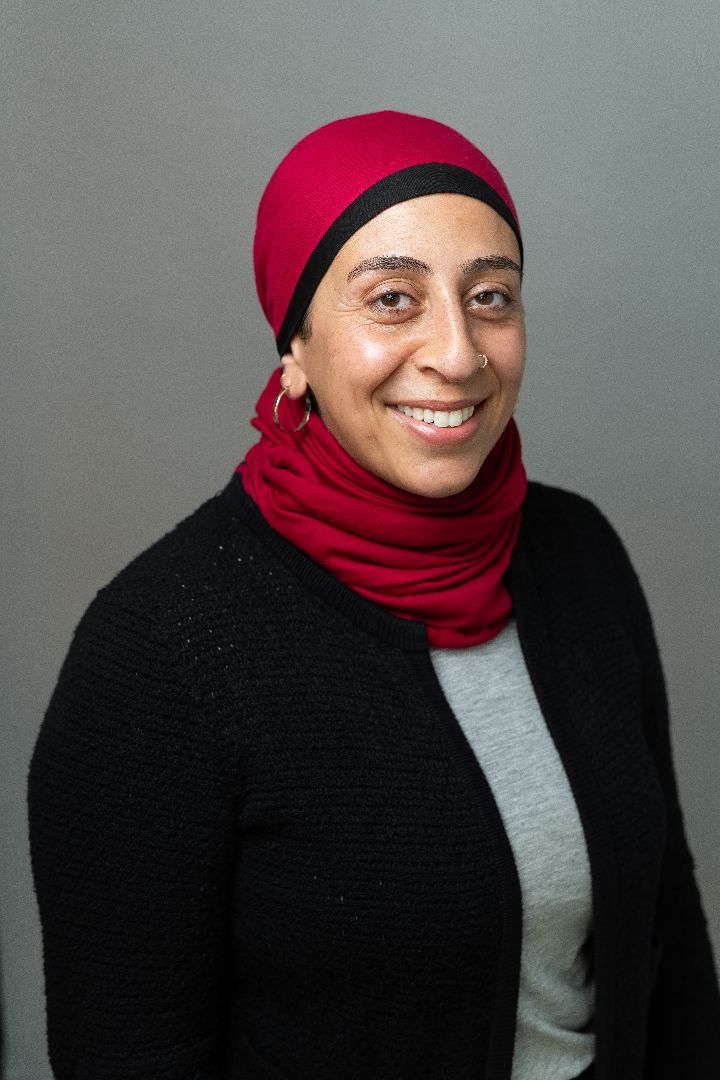
I came to MSU in the fall of 2006 as one of many Muslim Americans who came of age in the wake of 9/11 and felt a deep calling toward public service. I was thrilled to have the opportunity to add the Muslim Studies specialization to my coursework — I was already organizing diverse students across campus through the Muslim Students Association and through a coalition I co-led in response to hate group activity at MSU called Peace over Prejudice. So, it was a real gift to be able to link the bridge-building efforts I was part of on a micro level with the urgent need for macro level pluralism and bridgebuilding work to counter hate in all its forms at the national and international diplomatic levels.
I recall taking Professor Mohammed Ayoob’s Islam in World Politics class as a formative moment in my MSU and JMC journey (and then do some research and writing projects with Professor Ayoob afterward). The course was both academically rigorous and stimulating, and highly relevant and timely to current events. I also remember that Professor Ayoob had personal relationships with most of the authors of books he assigned — showing me Professor Ayoob's own prominence in the field.
The course gave us the ability to put daily headlines related to the "War on Terror" in the broader context of socio-political developments throughout the 20th century. And I think it might have been my first exposure to the world of public policy, which piqued my curiosity about how to bridge historical, cultural and socio-political academic analyses into the world of governing and diplomacy.
Initially, I thought I might follow in the footsteps of Professor Ayoob as a public academic, but I ended up launching my career in the nonprofit policy sector in Washington D.C., helping build a young policy and international development organization focused on supporting local democracy advocates and improving foreign policy between the U.S. and the Arab World — before, during and after the Arab Spring.
I'm very grateful for Professor Ayoob's mentorship, which encouraged me to find my voice in this field and was instrumental in my next steps (including winning a Truman Scholarship in 2009, which subsequently opened many doors).
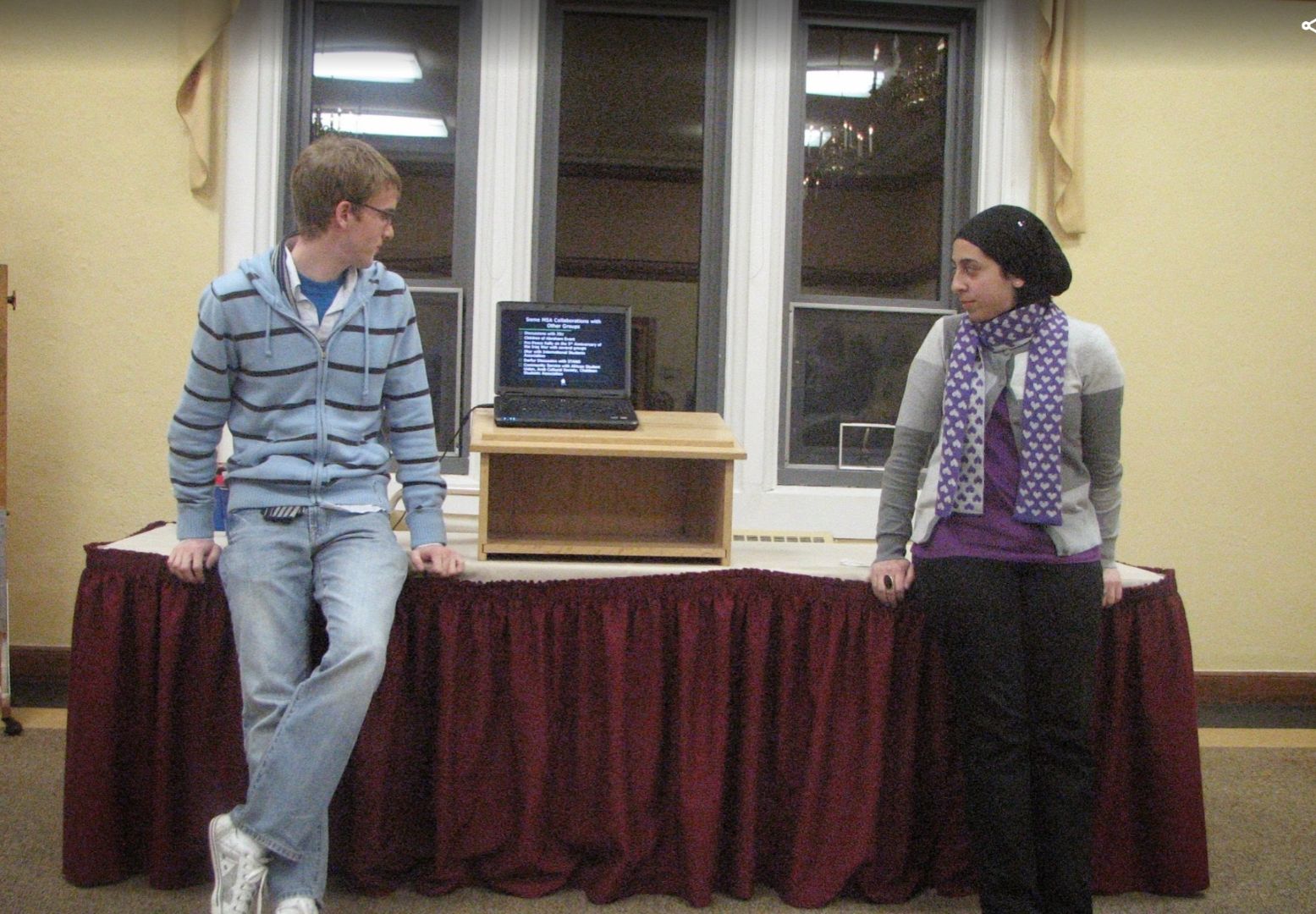
Coincidentally, Professor Ayoob's class was also the only one I took at MSU with my now-husband! We also organized in the Muslim Students Association together, and I fondly remember how being classmates there also helped foster our friendship.
Another definite highlight was being able to publish a formal event summary of one of the conferences in the American Journal of Islam and Society — my first academic article publication.
The Muslim Studies Program was instrumental in setting me up for my first job, which also coincided with the Arab Spring, and launched my policy and nonprofit career. After my master's, I then spent several years growing an international and domestic network of civic engagement advocates while leading the Open Gov Hub.
And since 2022, I have launched and run the Obama Leadership Network at the Obama Foundation. I also recently completed a postgraduate diploma in Islam and Psychology through Cambridge Muslim College, and it has inspired me to take a more holistic approach to self-development in my global leadership coaching, facilitation and network building work.
I still remember reading classical texts from historic Muslim scholars like Al Farabi with professors like Waseem El-Rayes, and I was able to deepen my study of similar ancient wisdom texts from the Muslim world in my recent postgraduate diploma to adapt them for universal healing, justice and truth-seeking in our disorienting modern times.
All this to say: I think the Muslim Studies Program at MSU has been far ahead of its time for many years and, as one of its earliest alumnae, I can attest firsthand to how much the program and its inspired teachers are helping shape the next generations of leaders. By equipping students with historic understanding and tools for socio-political analysis, it empowers them to navigate contemporary debates, public policy and current events — ultimately fostering a more informed and pluralistic world.
Learn more about two decades of the Muslim Studies Program at MSU.
Muslim Studies Newsletter
Annual Conference
Muslim Studies Minor
Faculty Spotlight



